• Skip to primary navigation
  • Skip to main content

Trail Option

A personal geography of landscape and place, art and geo-science.

  • Home
  • TrailOption Blog
  • About
  • Contact TrailOption
  • Subscribe!
  • Lost Journals
  • Show Search
Hide Search

Eastern Sierra

Winter’s Coming to the Eastern Sierra, CA

D. Craig Young · January 5, 2022 · 1 Comment

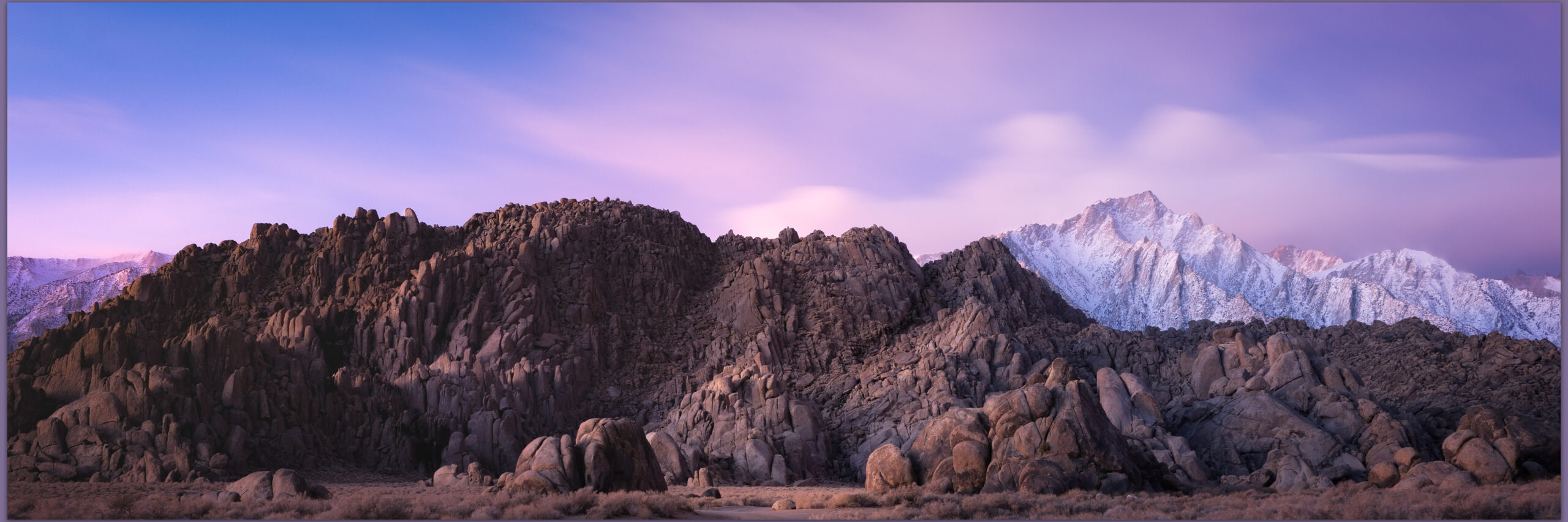
Plutonic glow. A storm clears at dawn in the. Alabama Hills, Eastern Sierra, CA, USA

We were closing out the 2021 field season in Owens Valley, and I had been on a long circuitous road trip working on projects in San Diego, California, visiting with colleagues in Henderson, Nevada, and traversing Death Valley to return to our team working on the fans of the Owens Lake basin. While we wrapped up our fieldwork, the first solid winter storm bore down on the Sierra. Travel home was not possible. The storm meant steady rain in Lone Pine, California, our lodging and logistical base, with the Sierra massif clouded over. I took some time to wrap up some field mapping in the southern valley, taking advantage of the road closures that precluded a homebound journey.

Eastern Sierra – Winter’s Coming Collection
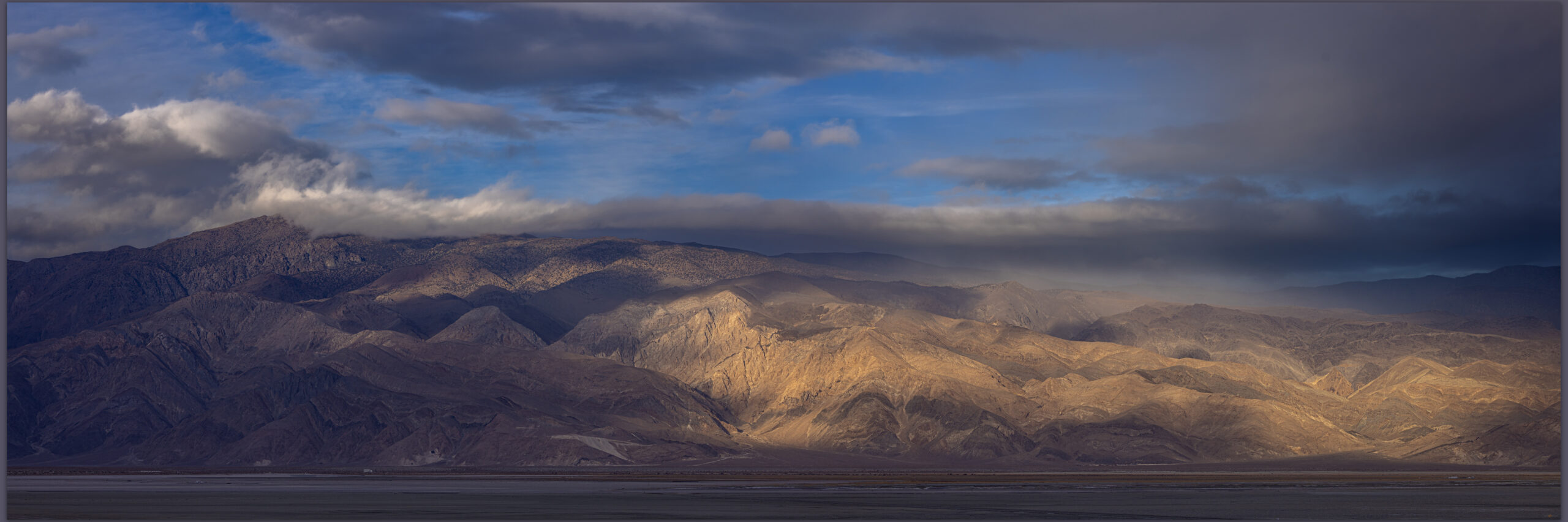
Inyo squalls. Strom clouds clearing from the Inyo Mountains, Great Basin Desert, CA, USA

Soon, however, the storm caught up with me and the graded roads of the Olancha and Walker fans were flooded. I retraced my way around to the east side of the valley and visited the falling dunes of the Centennial benches, a small dune-set on the Highway 190 as it climbs out of Owens Valley. I really enjoy this small falling dune and adjacent sand ramps as they move across the dramatic black basalt of the local rimrock benches. Today, the wind was the subject. I was pushed by gusts and polished by grains as a worked low on the dune to tell the story of the wind and its motive power. No changing lenses in these conditions, but I chose well, and I am happy with the results.
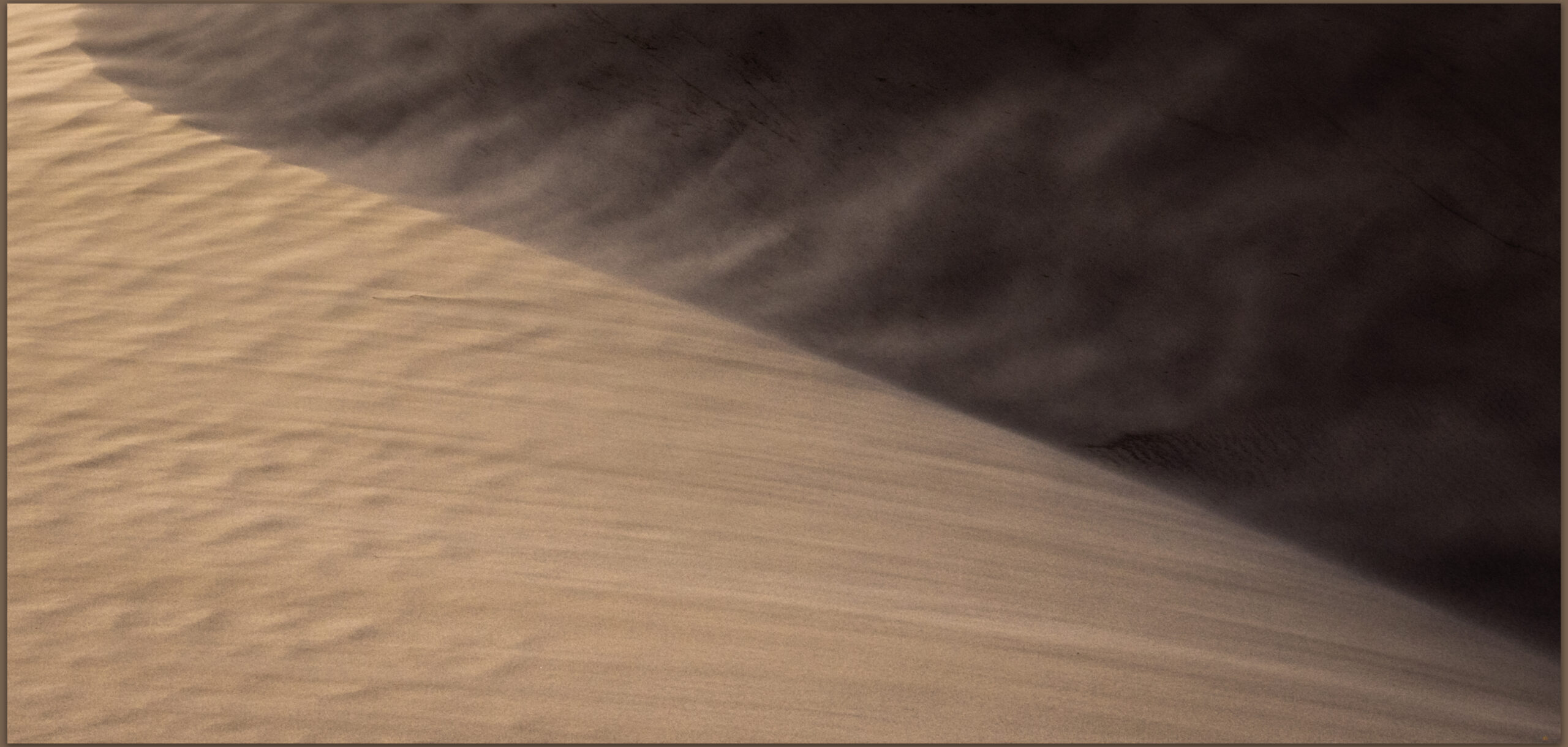
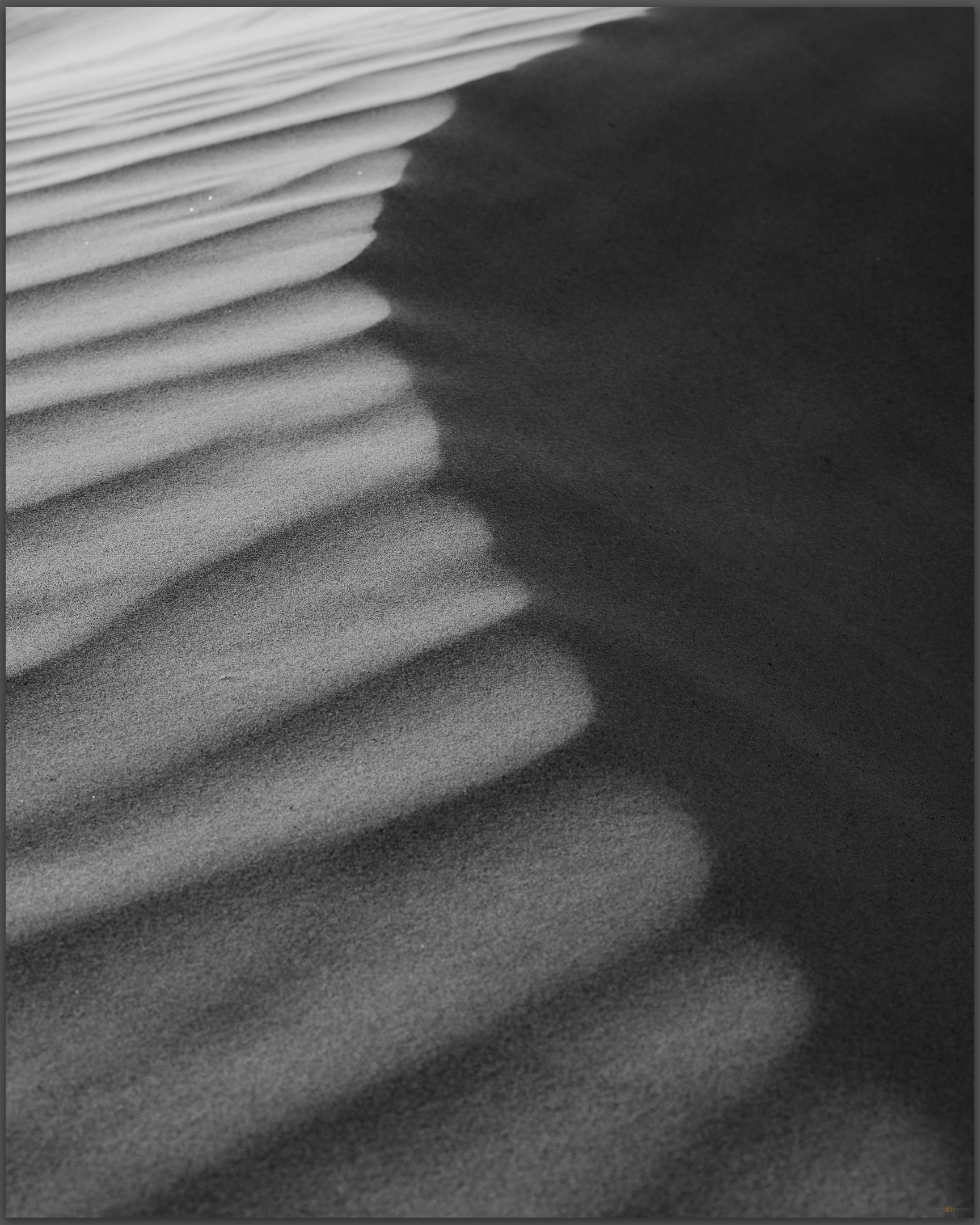
Aeolian rush. Reworking of a falling dune, Owens Valley, Great Basin Desert, CA, USA
Ripples repose. Storm winds rearrange the falling ripples, Owens Valley, Great Basin Desert, CA, USA

The rains finally reached the desert side with the Inyo and Coso mountains soon engulfed in clouds and sheeting rain. I was not quite finished, however. I worked my way into blue hour in the Alabama Hills looking for small scenes in the fading light under the stormy clouds – only the lower mountain-front was visible. The barrel cactus seemed to bend the blue light into a kind of warmth, needles glowing against the cold rocks and sandy grus. Looking for a different perspective, I crawled into a tight cave-like alcove to keyhole small cactus. I am not sure it works but the contortion effort of lifting the camera into the slotted crevices to frame a hoped for subject had me laughing out loud; I am sure a strange solitary sound in the windy evening.
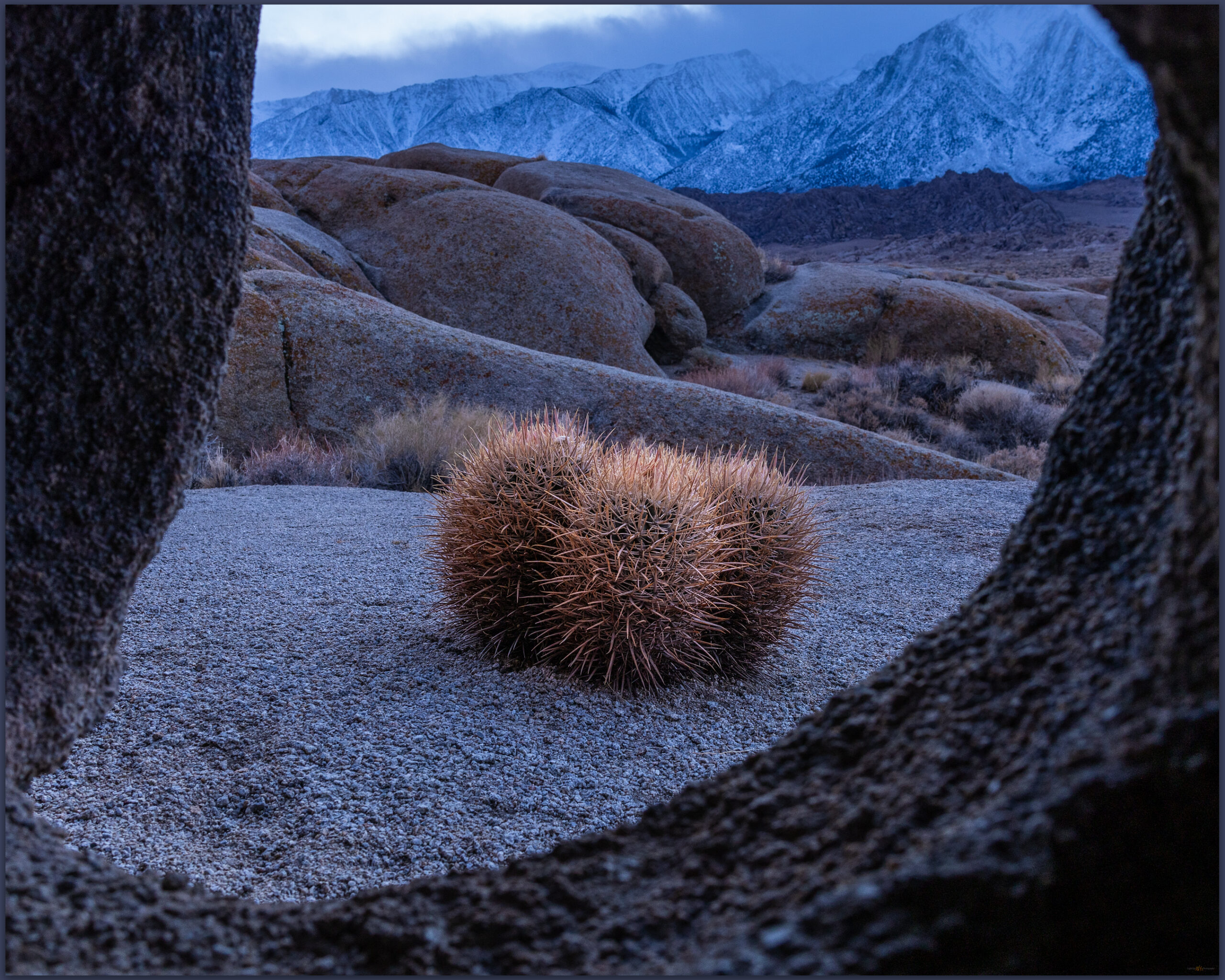
Barrel window. Blue hour and cactus in the Alabama Hills, Eastern SIerra, CA, USA
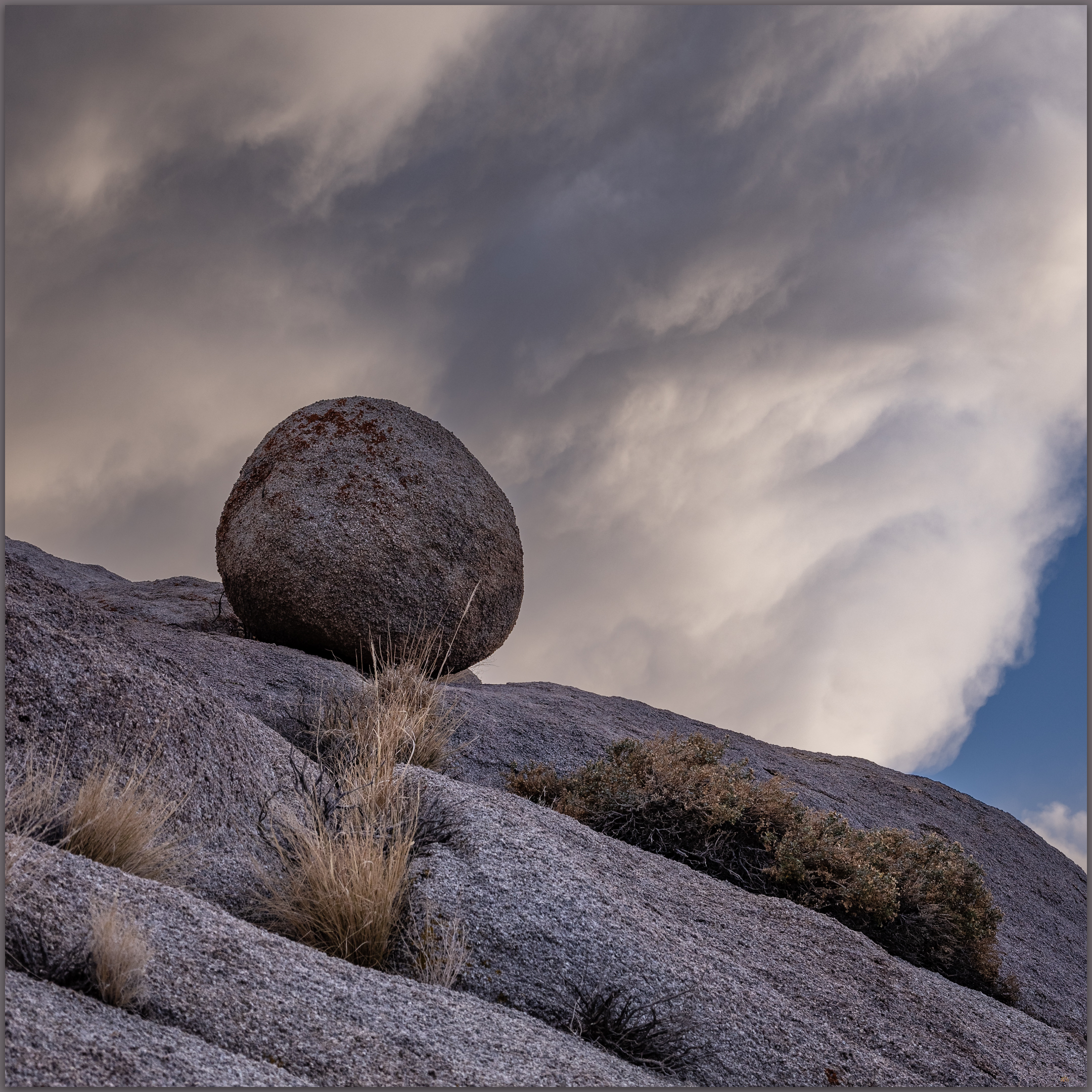
Storm ball. Alabama Hills, Eastern Sierra, CA, USA

I returned to the hotel to hope for a break in road conditions so I could get home. I had logged over 1600 miles on this outing, and the first pangs of homesickness are more acute when conditions change the plan. Clearing skies of the following morning brought reward. Forecasting the changing conditions, I hurried back into the Alabama Hills before dawn. I once again patrolled Movie Road. Driving its full extent and returned eventually to the newly restricted ‘Day Use’ area where the road first bends sharply east. The Sierra crest beckoned, and I had great pleasure watching the refreshed skies on Lone Pine Peak. The light of the Sierra, a gift accepted once again.

Eastern Sierra – Winter’s Coming Collection
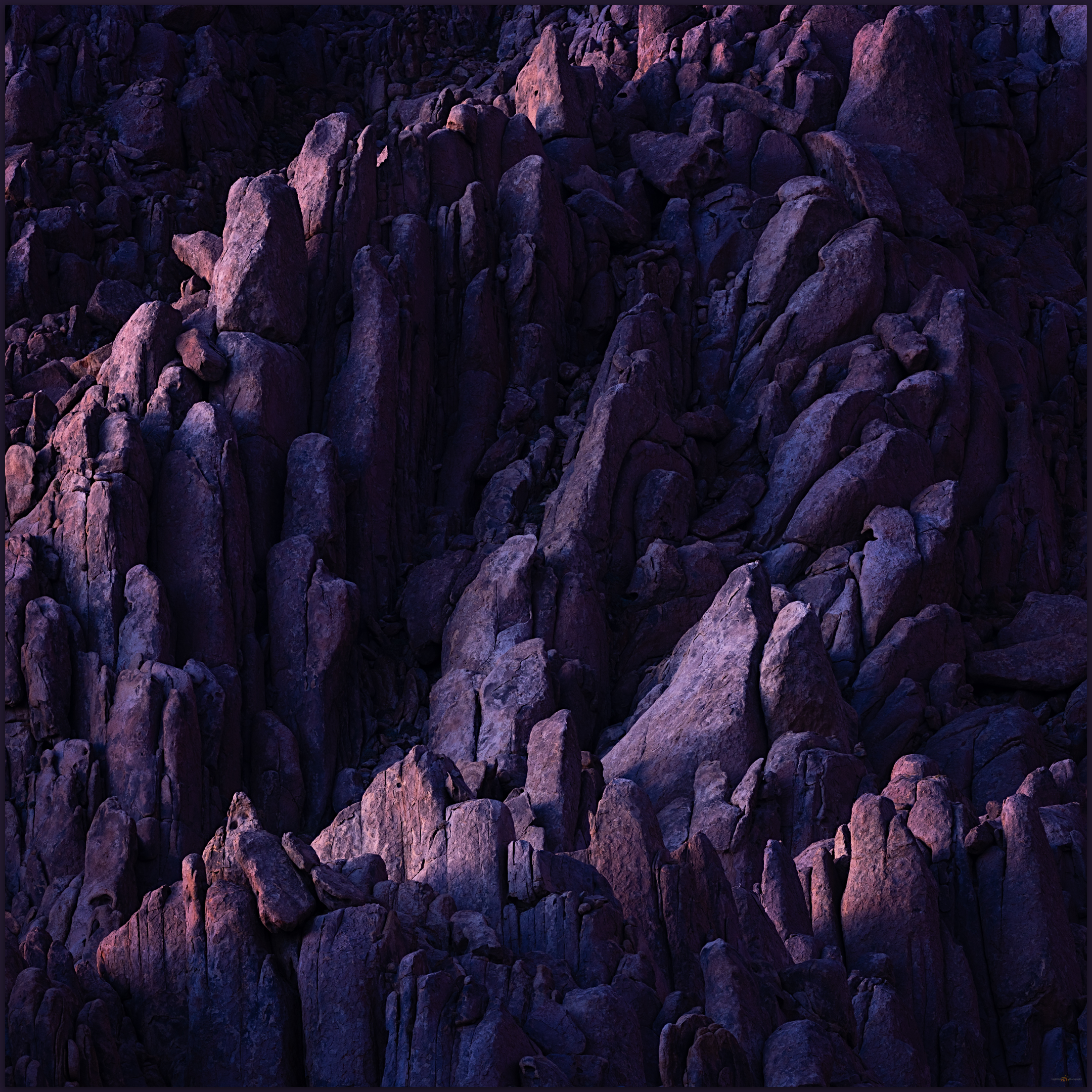
Interior pipes. Early sun and texture in the Alabama Hills, Eastern Sierra, CA, USA

Keep going.

Please respect the natural and cultural resources of our public lands.

#naturefirst #keepgoing

Whitney Views – Owens Valley, CA

D. Craig Young · January 3, 2022 · Leave a Comment

Sierra sunstrike. Early morning in the Eastern Sierra, Owens Valley, CA, USA

After coming down from the crest of the Inyo Mountains, having wrapped up our small project at the Saline Valley Salt Tram, I set up camp at a small playa on the east side of Owens Valley, north of Dolomite. Desna met me and we circled the wagons in a quiet spot – we had planned a quick tour of the Owens Lake ponds to see if what birds might be late in the fall migration, and I still had some work to do with our team working on the west valley fans of Cartago Creek.

Crest late evening. The long-set sun kept us watching, Eastern Sierra, Owens Valley, CA, USA

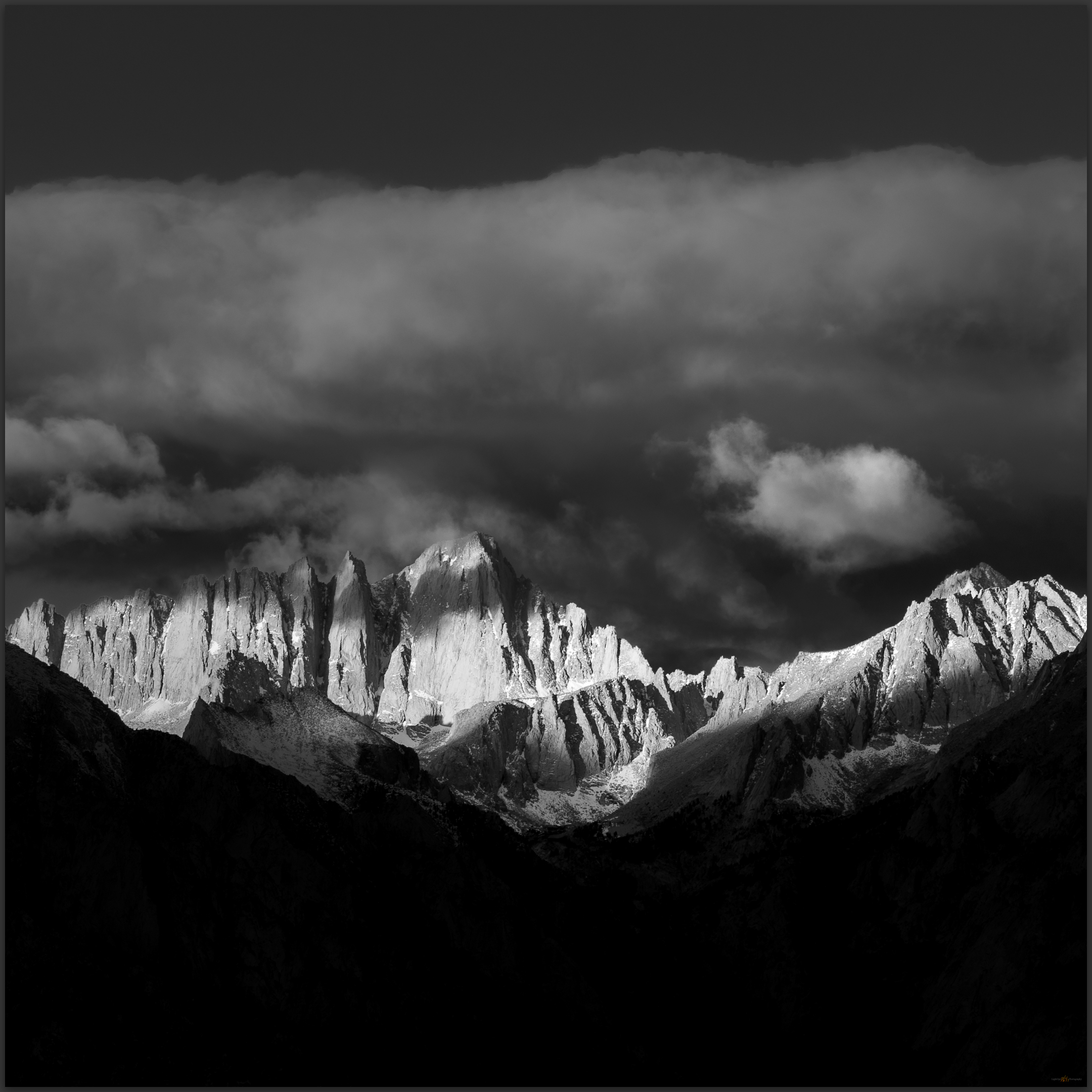
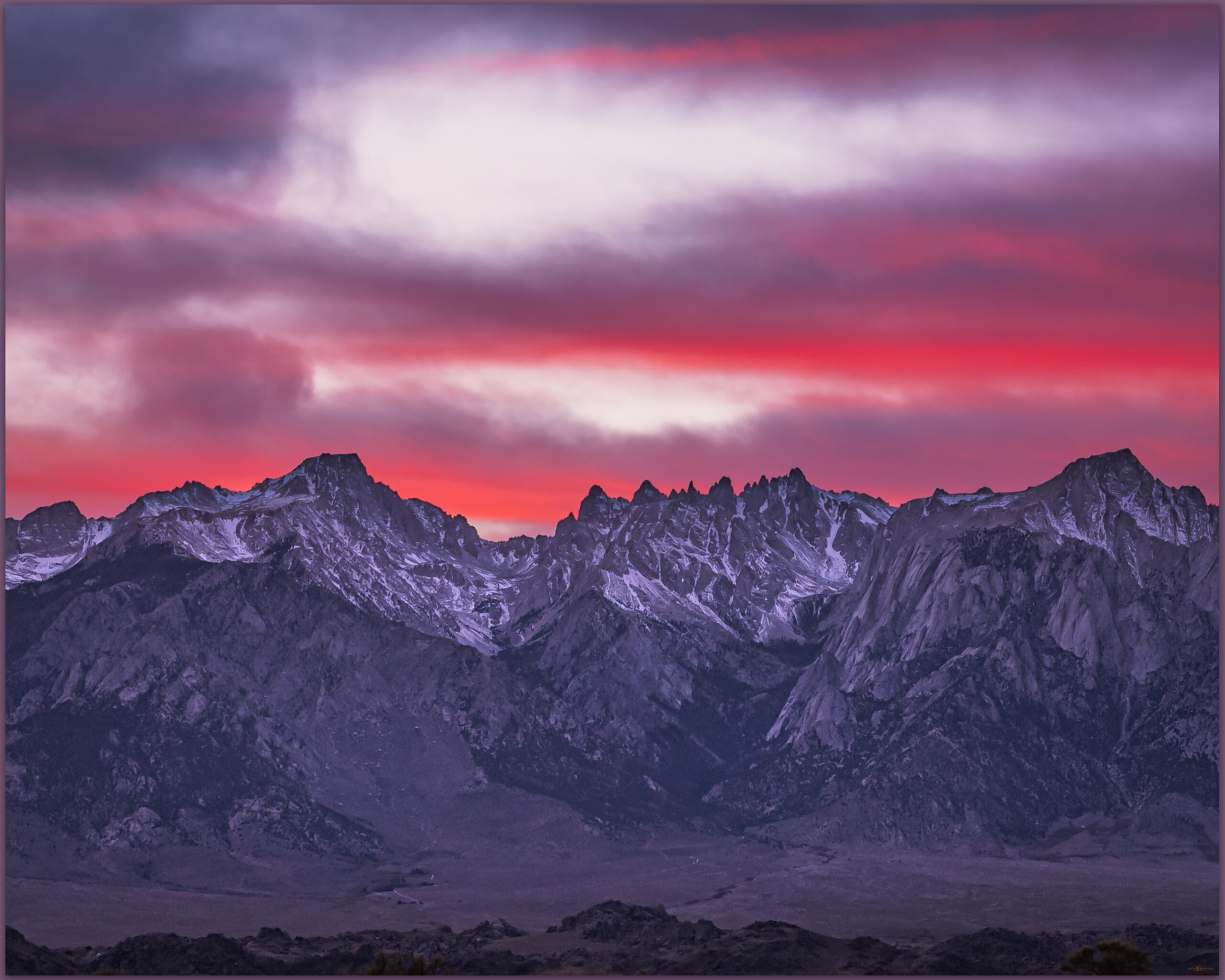
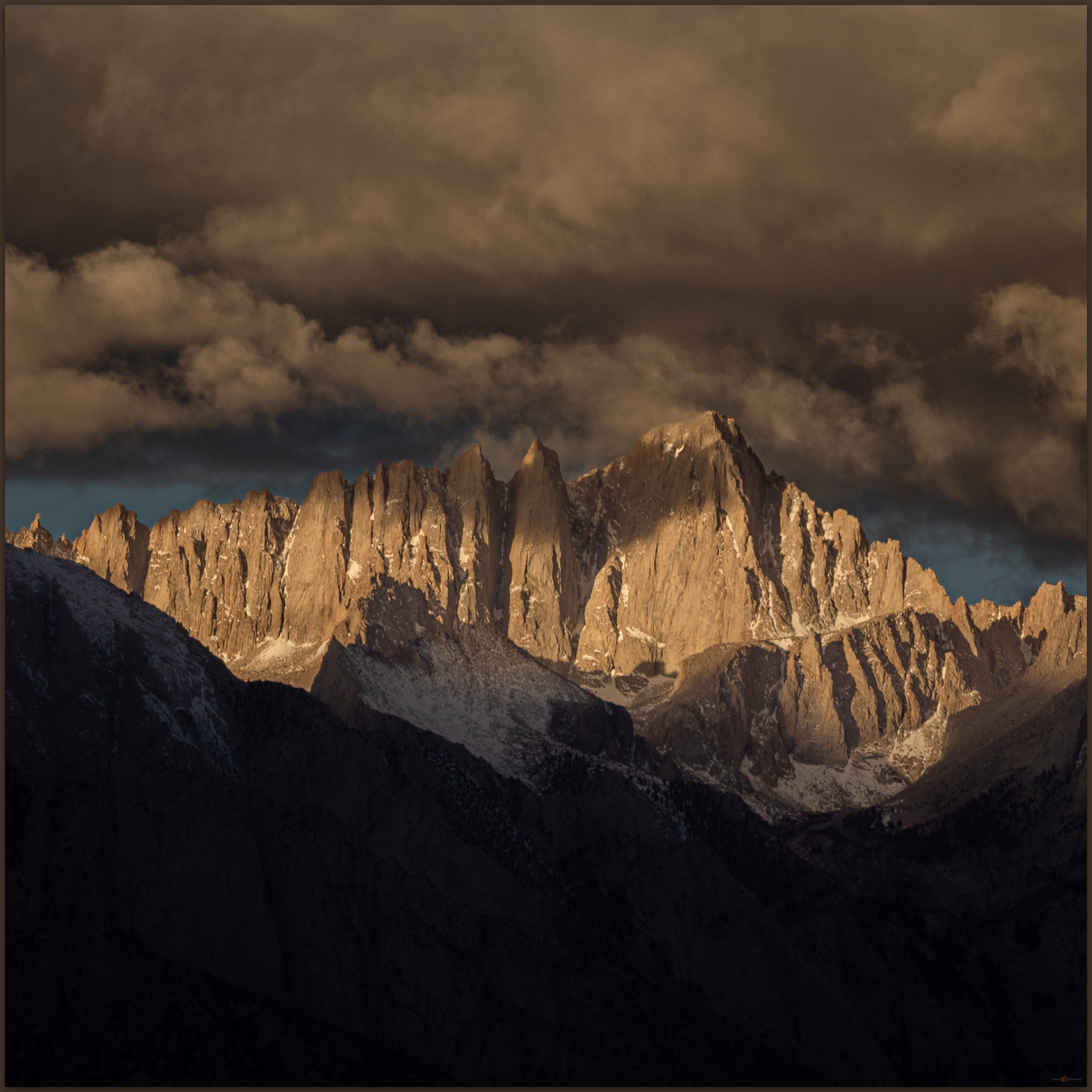
It turned out the sky over the Sierra decided to put on a show, evening and morning. The east side, beyond the Owens River, provides a long view of the Sierra crest. The view of Whitney is rather iconic, with easy, attractive compositions coming from Alabama Hills, at shoulder-side on Highway 395, or further out in Owens Valley, where I sat now. There is not much of a story here, just my opportunity to share sunstrike with Desna and enjoying some nice light on the Eastern Sierra and its high point (a summit I have yet to reach, by the way – although my attraction is weakened by the necessary permit process).

Whitney Views Image Collection

Whitney and the needles. An approaching storm brings changes in the early morning of the Eastern Sierra, Owens Valley, CA, USA

The long lens allowed me to sit in camp and wait. The colors of blue hour, just after sunset, when the fading glow reflected by the western glows, filled the sky from the Sierra to the Inyos but lasted about five minutes. I settled on a crest view of Lone Pine Peak and the crags south of Whitney. It was sunstrike in the new drama of the following sunrise that proved magical. I climbed out of the camper with the portent clouds scudding above the dark peak, my tripod already set up above a cold, unused fire ring. Even when I am not photographing, sunstrike on the Eastern Sierra is wonderful. Today, and tomorrow, was special.  

Whitney Views Image Collection

Whitney morning highlights. Sunstrike brings contrast and depth to the Eastern Sierra, Owens Valley, CA, USA

Keep going.

Please respect the natural and cultural resources of our public lands. #naturefirst #keepgoing
In the days when we could wander… Death Valley, Part 1.

D. Craig Young · April 21, 2020 · 6 Comments

There is always the desert. Although I thrive in arid landscapes, I find them difficult to photograph. Of course, there are waves of contrast in sand dunes, brilliant rocky outcrops, and magical golden-hour light, but so much of desert space is a great wide open, playas to mountains with subtle shifts in color. I occasionally come across exceptional images by the few who take the time to learn the desert light, and I continue to accept the challenge of capturing personal images in these cherished, sharp-edged lands. 

We would meet in the Eastern Sierra, Erno had the idea, heading into Death Valley for a wide-ranging, end-of-winter tour. The Iceland team – ‘the stud puffins’ – gathered at StoneHeart at the foot of the Carson Range on a Saturday afternoon mid-February; Jeremy, Quinn, and Sandy had timely flights, and the weather cooperated to let Erno and Randy drive over from California’s Central Valley. We formed a little caravan of camping rigs, departing Nevada for the short drive to Mono Lake, our first stop. 

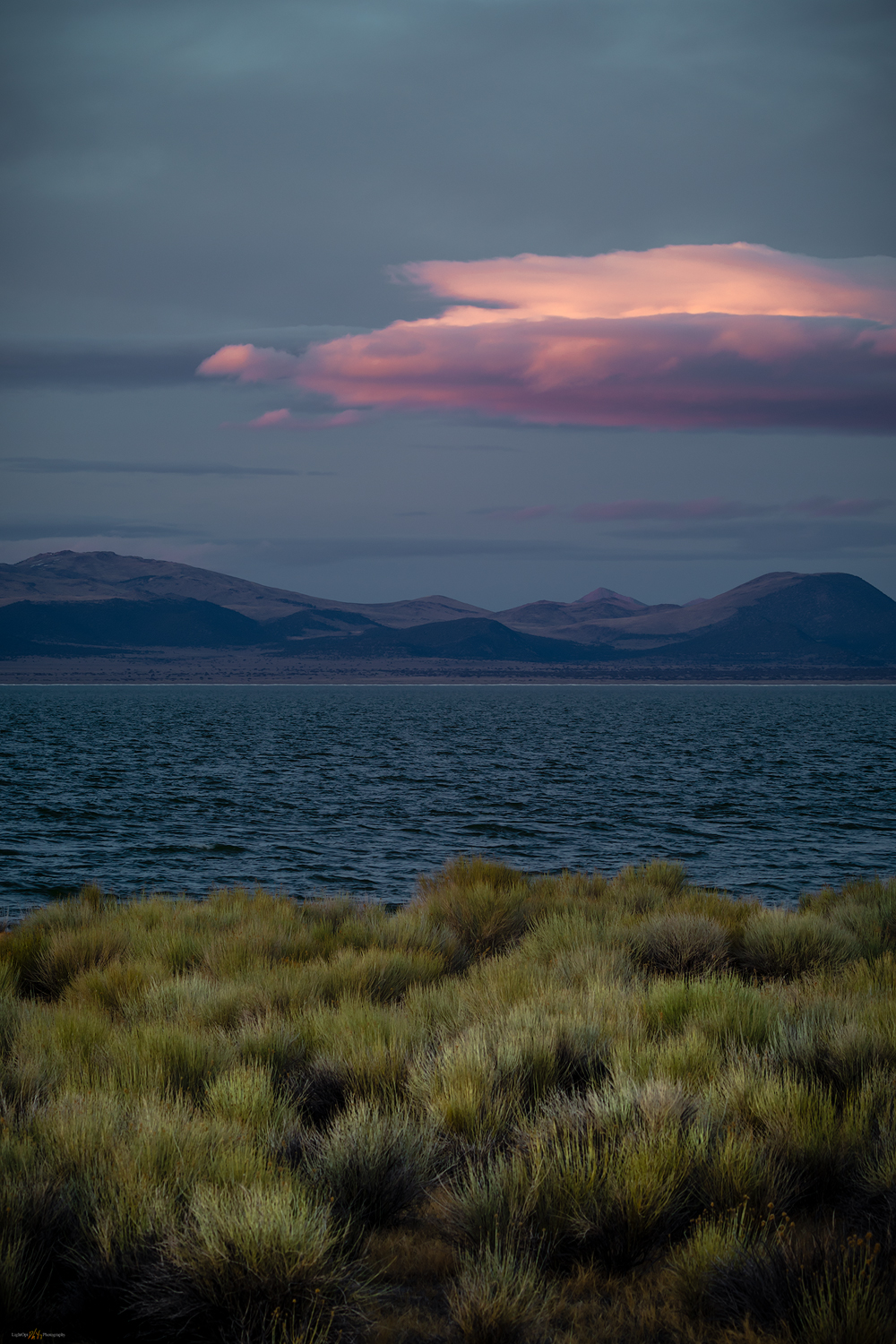
Simple evening. The start of the trip was a pleasure, though my early images were difficult.

I scouted the sand tufa a few weeks earlier, but I have not had much luck here.  I need to take more time with these unique tufa formations, but, for now, I am drawn to the lake. This is a pattern; I am still drawn to the big landscape but want to learn to focus on compelling foregrounds and the emotion of intimate scenes – I just need to take the time to do so. 

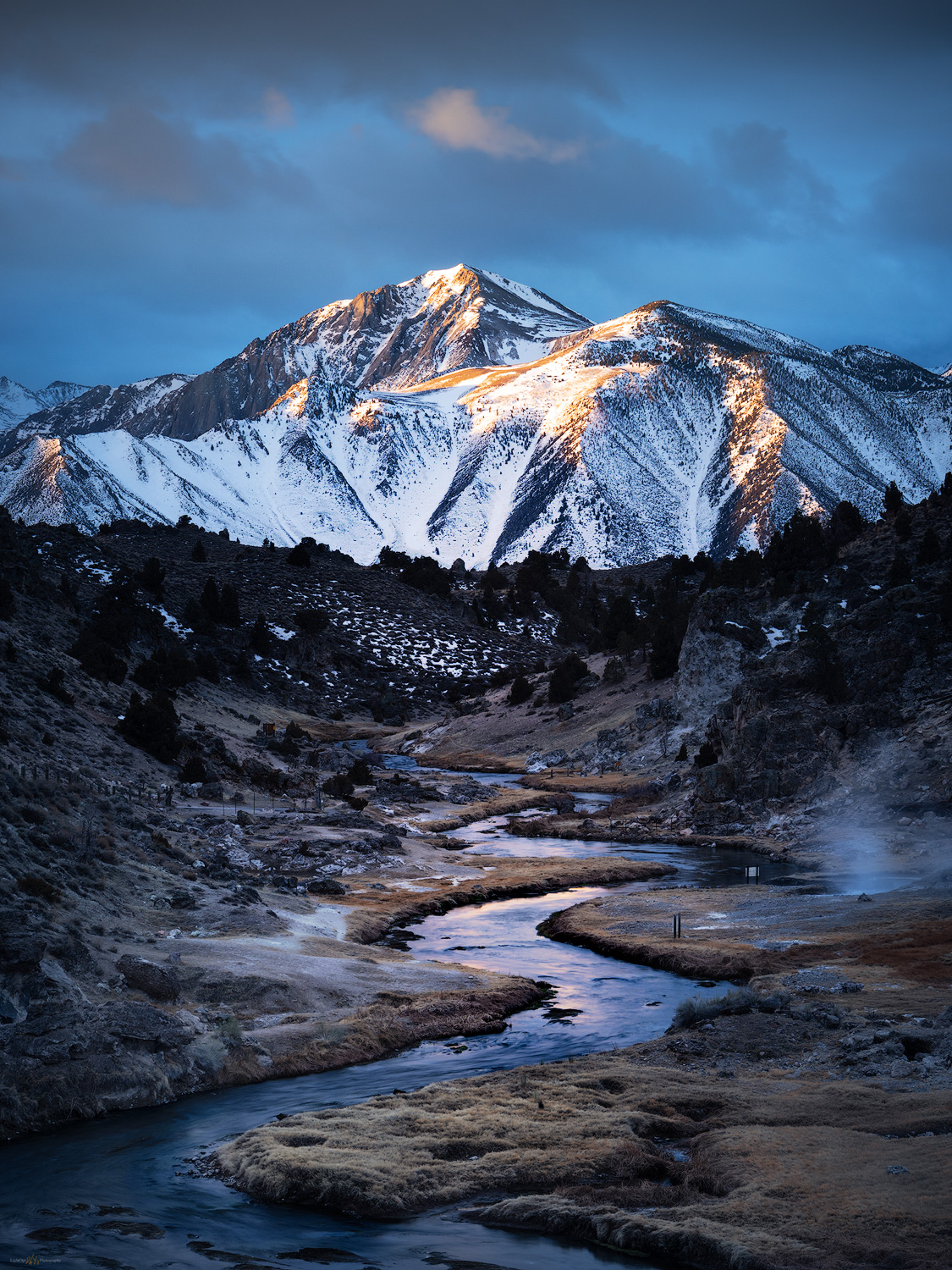
Beneath starry skies, we camped just off the quiet highway – closed for winter a mile up from our sideroad stopover. The sunrise promised good light, so we were off in the pre-dawn to Hot Creek, a semi-iconic photo spot along a classically wandering Sierra-fed trout stream. Mist from the mid-stream hot springs can add perfect atmosphere under the right conditions. I have been here many times, but always focused on a post-climb/ski hot spring bath. And yet, in the past decade or so, the hot springs have become a dawn-t0-dusk managed and fenced viewpoint, deterring the use of the springs, which at times can be dangerously active and, well, hot. Enough people have gotten themselves into trouble, and not survived the hot pools, that even considerate use has been curtailed. One of those things. 

Hot Creek rise. First light at the local icon.

Death Valley Collection

We took good advantage of the scudding clouds at sunrise, looking up canyon towards the Sierra highlands above Sherwin Creek. As is often the case, there were a few other tripods along the outcrop above Hot Creek, but it was worth the stop. We headed for Bishop under clearing skies, grabbing a late breakfast in town – seems a luxury now – before the long drive, chasing the day into Death Valley. The traffic increased, almost exponentially, as we worked our way through typically lonely desert, crossing through Panamint Valley and dropping into Stovepipe Wells. It was there we remembered that it was a three-day weekend (forgetting that was part of our plan too) and that it turned out to be a fee-holiday in the National Park. The roads and parking areas hummed with traffic, and campgrounds appeared near capacity. 

Our evening photo target was the playa-margin known for polygonal patterned ground and salt formations. It would be a short hike, so we knew that we would have some solitude even amongst the pavement-bound crowd. Erno and Jeremy picked a pull-out and the team began the hike into the basin. In the meantime, I decided to roll into Furnace Creek to check our chances of getting a camp spot – would we have to head out of the park to find public land access in the dark? I rolled into Sunset Campground working my way among wind-blown pup tents, burly jeeps, cruise ship-sized RVs, random generators, and oddly lit banners on towering flag poles, to find some clear gravel at the terminus of the overflow parking. It’ll do. I ditched the trailer, paid the camp fee, and headed back to the sunset location. 

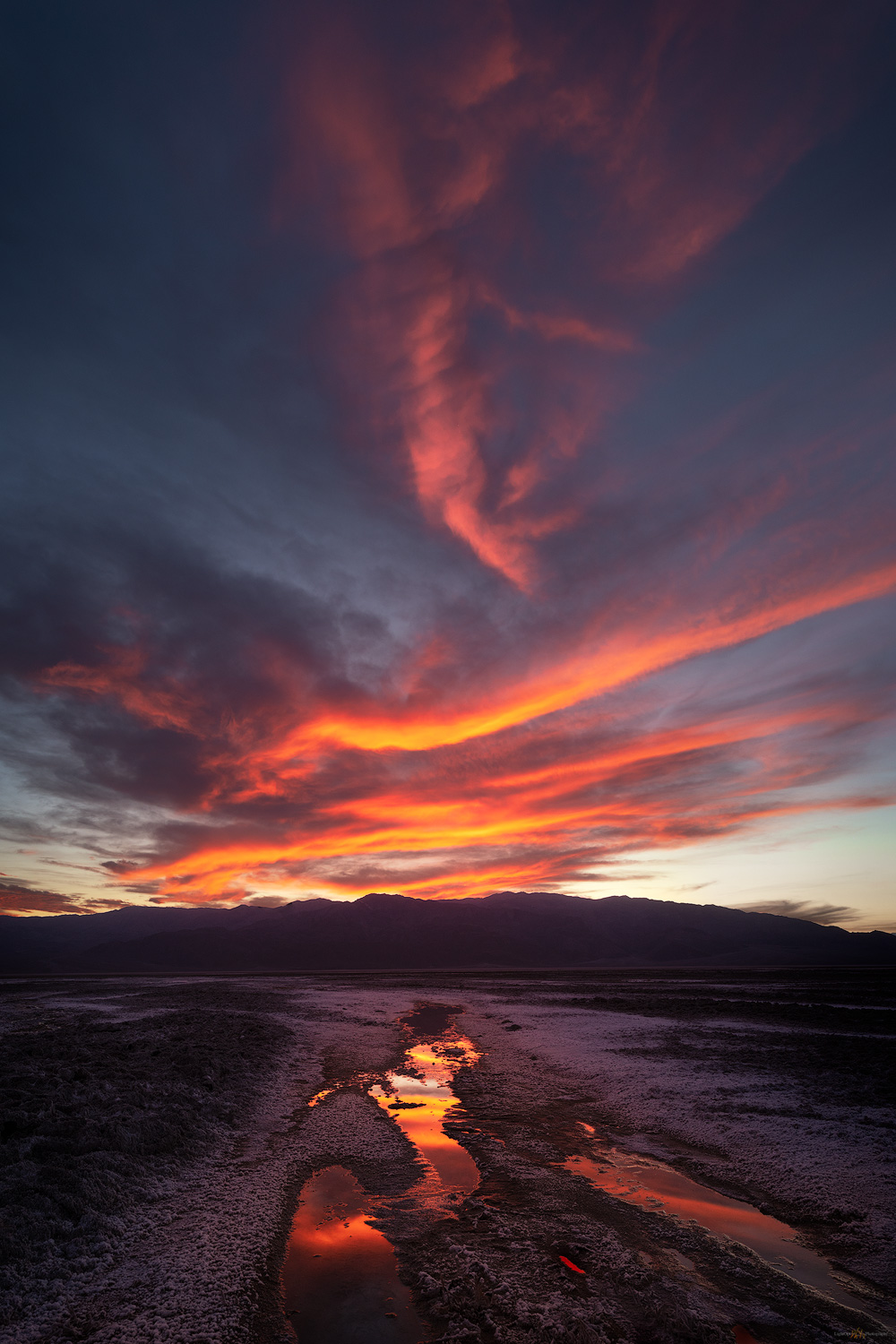
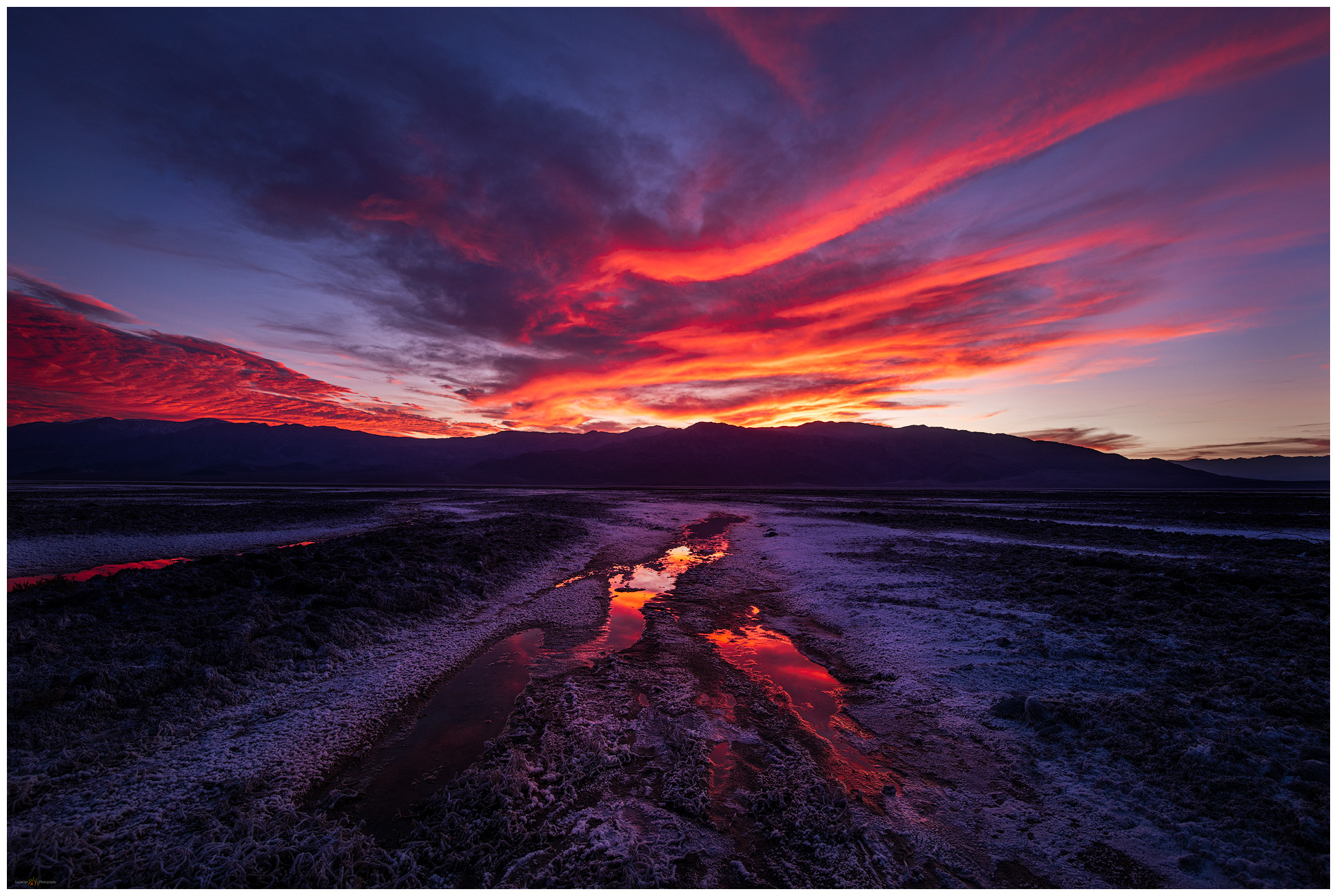
With the light fading, I began my hike before I reached our team’s parked rigs. I worked my way into some salty seeps forming shallow swales that drained further basinward. I liked the lines leading in two directions, upslope toward the eastern mountains or directly into the western skyline. The clouds looked promising, but I could not decide which direction would be most promising at sunset’s illumination. I did not want to chase tonight – I had just finished chasing campsites! I wanted to settle in for a shot. After finding a long linear pool of still water, I stood for a while, gazing back and forth to opposite horizons. I sat down, watching the east, watching the west. As I decided on the eastward view and began composing an image, I turned to grab a lens cloth from my bag. At that moment the western sky, which had been at my back and not at all in my composition, caught fire. So much for the patience of avoiding the chase. This was why I was here, and it was only two or three steps backward to compose the convergence of the reflective line of the pool and the fiery wisps of evening cloud.  

Convergence. The desert aurora of sunset in Death Valley. This is what you hope for.

For a few, all-too-short minutes, the clouds danced in a desert aurora as waves of orange, red, and violet descended into the evening. In the quiet I could hear the others whooping it up somewhere to the north, far out in the glow of the salty basin.  

Convergence 2, Death Valley, California. The flames of sunset race to earth shadow.

Death Valley Collection

Keep going.

Please respect the natural and cultural resources of our public lands.
#naturefirst #keepgoing

Trail Option

Copyright © 2025 · Monochrome Pro on Genesis Framework · WordPress · Log in

  • Contact TrailOption
  • Substack
  • Waypoints Bibliography
  • Young Archives